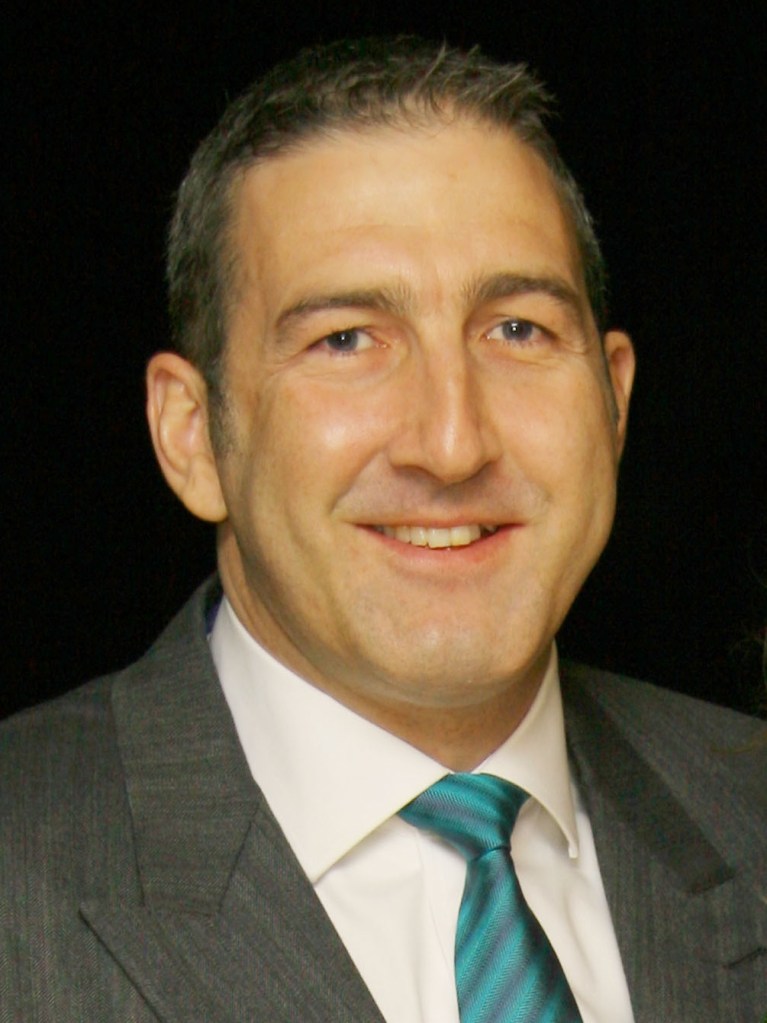
Dr James Lane
My journey into school leadership began with enthusiasm, idealism and—if I am honest—a degree of naivety. I believed deeply in the transformative power of education and was determined to lead with integrity. Having witnessed leadership that fell short of what schools and their communities deserved, I entered headship confident that I could do better. More than two decades in school leadership, including over twenty years as a headteacher in North London, have taught me that good intentions matter, but they are not enough. Effective leadership requires judgement, humility and a willingness to keep learning—particularly when experience begins to challenge what we once believed to be true.
Sustaining meaningful leadership in complex and demanding school environments requires more than passion and instinct. It depends upon continuous inquiry, engagement with evidence and an honest recognition of our own limitations. These convictions have shaped much of my professional life and led me to study organisational development, leadership psychology and systems thinking, culminating in a doctorate in Educational Leadership and Management completed during a sabbatical from headship in 2011. Since then, my work as a headteacher, executive leader, leadership coach and facilitator has continued to test the relationship between leadership theory and the lived reality of schools.
A recurring concern within my work has been the gap between the intentions of leaders and the conditions experienced by the people they lead. Well-intentioned leaders can still make poor decisions. Caring organisations can offer visible signs of support while leaving untouched the systems, expectations and working practices that are causing difficulty. Leadership development, therefore, cannot be reduced to acquiring new techniques. It must also involve examining the assumptions, habits and organisational conditions that shape what leaders notice, value and do.
This has led to my more recent research and writing on workplace wellbeing and, increasingly, workplace fulfilment. A survey I conducted with 97 London headteachers revealed a striking gap between recognising staff wellbeing as an important issue and addressing it strategically. My current work explores why so many organisational responses remain focused on activities, benefits and individual resilience when the more difficult questions concern workload, purpose, autonomy, relationships, fairness and the way work itself is designed.
I describe this as the difference between offering signals of care and building the systems and architecture that allow people to flourish. Both matter, but they are not the same. A kind gesture may be welcomed; it cannot compensate for chronic overload, a lack of clarity or working practices that steadily remove professional agency. My developing work on workplace fulfilment asks how leaders can create conditions in which purposeful effort, high expectations and professional growth are combined with fairness, recognition, belonging and sustainable ways of working.
The reflections shared through The Infinite Headteacher are not offered from a position of certainty or mastery. They emerge from research, professional experience and, at times, mistakes. I write to examine the assumptions that sit beneath leadership practice and to explore how leaders can become more intentional about the cultures and organisations they create. My central interest remains the same: how we can lead with greater authenticity, effectiveness and integrity while building workplaces in which people are able to contribute, develop and find genuine fulfilment in their work.

